
Words matter. Well‑intended or casual comments can retraumatize survivors, erase their experiences, or imply they deserve what happened. Survivors with disabilities face extra layers of stigma and control—comments that dismiss, pity, or police their choices can be especially harmful. Below are 25 phrases to avoid and brief notes on why they hurt. Use the short alternatives at the end instead.
Minimizing the experience
1. “It can’t have been that bad.” — Minimizes pain and reality.
2. “Why didn’t you just leave?” — Ignores real barriers and risks.
3. “At least it wasn’t… [worse].” — Compares trauma and invalidates feelings.
Blaming or shaming
4. “You must have done something to provoke them.” — Shifts blame to the survivor.
5. “If you really loved them, you would have stayed.” — Uses love as a justification for abuse.
6. “You should have known better.” — Implies fault and undermines trust.
Doubting and questioning credibility
7. “Are you sure that happened?” — Makes the survivor prove their trauma.
8. “You’re remembering it wrong.” — Gaslights and erodes confidence.
9. “They seemed like such a nice person.” — Suggests the survivor misread someone’s character.
Infantilizing or pitying
10. “Oh, poor you.” — Reduces a survivor to a passive victim.
11. “You’re so brave for surviving with your disability.” — Puts disability center-stage as a novelty rather than a dignity.
12. “I don’t know how you manage.” — Treats ordinary life with disability as extraordinary pity material.
Policing independence and choice
13. “Let me make decisions for you; you can’t handle it.” — Steals autonomy and echoes abuse dynamics.
14. “Maybe you should have a guardian/look after you more.” — Weaponizes disability to justify control.
15. “If you leave, who will take care of you?” — Frames care as a trap, not a support option.
Minimizing safety concerns
16. “They would never actually hurt you.” — Dismisses threats and lived fear.
17. “You’re being dramatic.” — Invalidates emotional responses that follow trauma.
18. “You’re making a big deal out of nothing.” — Silences and discourages help‑seeking.
Giving unsolicited or simplistic advice
19. “Just forgive them and move on.” — Overlooks trauma, patterns, and safety.
20. “You should try harder to be positive.” — Blames survivors for normal reactions like grief and fear.
21. “Have you tried [X quick fix]?” — Reduces complex recovery to a single tip.
Comparing or competing pain
22. “My cousin went through worse.” — Turns the conversation into a contest.
23. “There are people with real problems.” — Invalidates and ranks suffering.
Intrusive or insensitive curiosity
24. “Tell me everything that happened.” — Forces retelling without consent or safety.
25. “How do you expect to live alone with your disability?” — Attacks independence and fuels doubt.
Short alternatives to say instead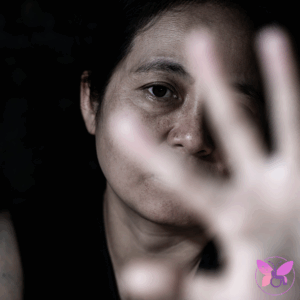
• “I believe you.”
• “I’m sorry this happened to you.”
• “What do you need right now?”
• “I can help with [specific offer: ride, call, watch kids, sit with you].”
• “Take your time. I’ll listen if and when you want to talk.”
Language can protect or retraumatize. Choosing belief, support, and concrete offers of help builds trust and safety for survivors—especially those whose disabilities are too often used to silence or control them. If you share this post, consider pairing it with accessible resources and moderation to keep survivors safe in the comments.